
| Exporter, Wholesale, Manufacturer | |
| Tehran-West |  |
| +989122003350 | |

- Price :negotiated
Maxima starter solenoid , Iran
- Price :To negotiate
- order by whatsapp
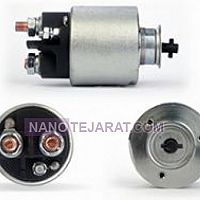
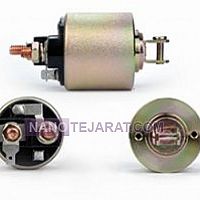
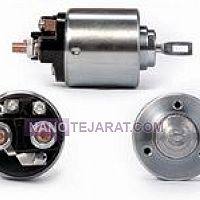
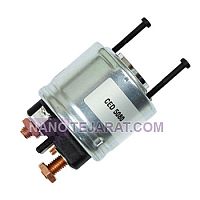
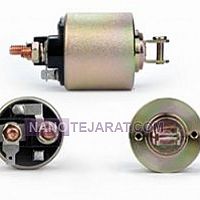
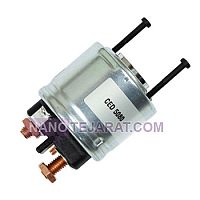
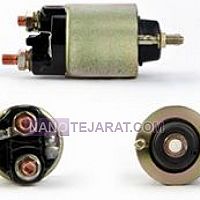
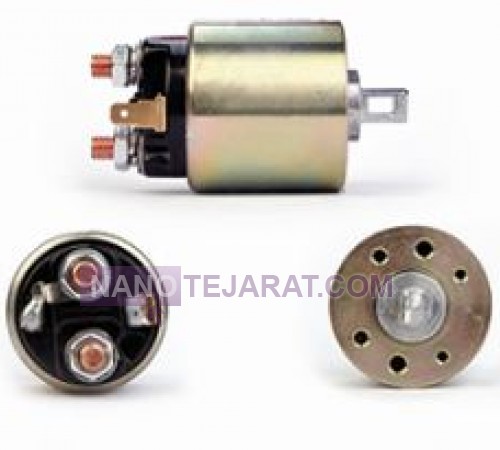
The Nissan Maxima starter solenoid is a dual-coil electromagnetic switch assembly. It is engineered for compatibility with the vehicles 12V DC electrical system. The pull-in coil draws a peak inrush current of up to 45 Amps under load. Its steady-state hold-in coil current is approximately 4 Amps. The generated magnetic plunger pull force exceeds 55 Newtons. This force enables full linear plunger travel of 14 millimeters. Total electromechanical response time is under 100 milliseconds. Its design allows for direct mounting onto the starter motor housing.
This solenoid features main terminals 30 battery and 50 ignition switch control. An auxiliary terminal C is provided for supplementary control circuits. The pull-in coil resistance at 25°C is 0.18 Ohms. The hold-in coil resistance under the same conditions measures 1.5 Ohms. Its housing is constructed from stainless steel with an epoxy resin coating. It maintains reliable operation from -40 to +125 degrees Celsius. Its functional lifespan exceeds 120,000 cycles per JIS D 0207 standards. This solenoid is common for Maxima models equipped with VQ35DE/VQ30DE engines.You can order and buy Maxima starter solenoid from Iran by contacting us through whatsaap and email.
WEBSITE: Maxima starter solenoid Iran
Automatic Starter Health Test with a Multimeter
Preparation and Initial Test
First, check the vehicle battery. Its voltage should be above 12.4 volts. Set the multimeter to DC 20V mode. Connect the red probe to the automatic starter relays positive terminal. Attach the black probe to the chassis or battery negative terminal.
Testing Relay Operation and Control Circuit
Place the vehicle ignition switch in ACC mode. The control terminal voltage should be around 12 volts. Now, send a start command via the remote. At this moment, the relays main output voltage should match the battery voltage. A voltage drop exceeding 0.5 volts indicates high resistance.
Testing Standby Current Draw
Turn the vehicle off and deactivate all circuits. Place the multimeter in series with the batterys positive circuit. The devices standby current draw should be below 50 milliamps. A higher reading indicates a current leak or module failure. Check all connections and fuses after testing.
Note: This test evaluates basic electrical functionality. For precise module fault diagnosis, refer to the manufacturers wiring diagrams.