
| Exporter, Wholesale, Manufacturer | |
| Tehran-South |  |
| +989122003350 | |

- Price :negotiated
elevator rail , Iran
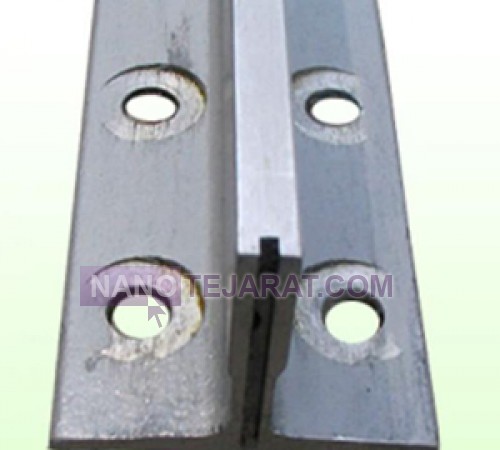
Elevator guide rails are manufactured from cold-drawn low-carbon steel with a minimum yield strength of 370 MPa. The standard profile is a T-section with precise dimensions per DIN EN 81-20. Common rail heights range from 89 to 152 millimeters. Standard rail length is 5 meters per section with a length tolerance of ±0.5 mm. Surface hardness is optimized between 150 to 190 Brinell for wear resistance. The contact surface for guide shoes is finely machined to under 3 microns roughness. Hot-dip galvanizing or thick epoxy coating provides corrosion protection for over 480 hours in salt spray tests.
The rail structure is engineered to withstand complex dynamic and static loads. The section moment of inertia ranges from 85 to 480 cm⁴ depending on rail size. These rails guarantee a deflection of less than 5 mm per 3000 mm of height. Rails are joined using steel fishplates and Grade 8.8 bolts torqued precisely to 220 Nm. An automatic leveling system during installation achieves alignment accuracy within ±0.7 mm. The rails remain dimensionally stable under thermal deformation up to 150°C. A specialized back design enables vibration damping and reduces acoustic noise below 45 dB.You can order and buy elevator rail from Iran by contacting us through whatsaap and email.
WEBSITE: elevator rail Iran
How to Choose the Appropriate Elevator Guide Rail Size?
Selecting the appropriate elevator guide rail size is based on the dynamic load of the cabin, speed, and building height. First, calculate the maximum applied load including cabin weight, capacity, and equipment according to the EN 81-20 standard. Then, consider the lateral forces resulting from safety gear activation and potential misalignment. The rails moment of inertia must be proportionate to these forces. Standard rail sizes are designated by T-shape dimensions such as T89, T127, and T140 in millimeters. For residential elevators with low speeds, T89 or T127 is usually sufficient. For high-speed commercial elevators with heavy loads, T140 or larger is used. Apply a safety factor of at least 1.5 for static loads and 3 for dynamic braking loads. Finally, verification of calculations by a supervising engineer and compliance with the elevator manufacturers specifications are mandatory.
Hydraulic jack
Lift engine
Elevator cabin
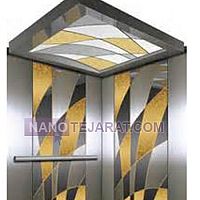
Elevator cabin
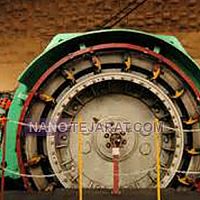
Lift engine
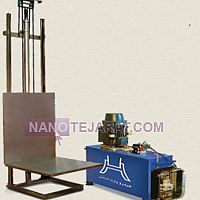
Hydraulic lift
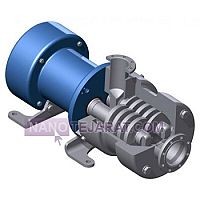
Screw Pump
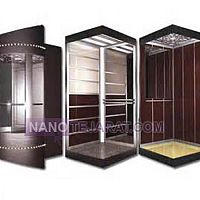
Elevator
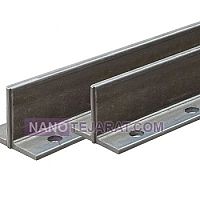
elevator rail
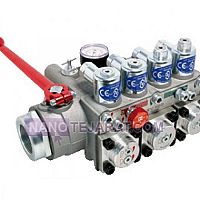
blain