
| Exporter, Wholesale, Manufacturer | |
| Tehran_North |  |
| +989122003350 | |

- Price :negotiated
Elevator button , Iran
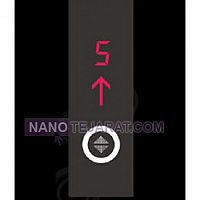
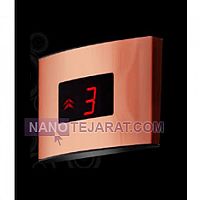
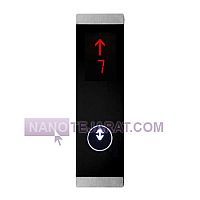
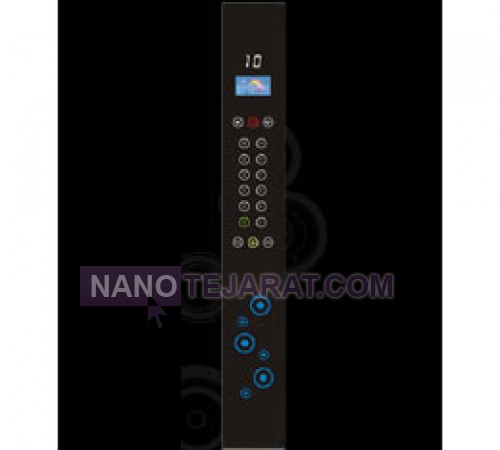
An elevator push button panel is an electromechanical or electronic interface used to send floor selection and hall call commands. Operating voltage is typically 12 to 24 volts DC with rated current below 100 milliamperes. Enclosure protection rating generally ranges from IP40 to IP54 with minimum IK07 impact resistance. The housing is manufactured from 1 to 2 millimeter stainless steel or durable polycarbonate. Mechanical life exceeds 1 million cycles, and electrical life is at least 500 thousand cycles. LED indicators with luminous intensity from 50 to 150 candela ensure proper visibility.
The structure includes a microswitch or capacitive touch sensor, printed circuit board, and integrated illumination system. Button diameter usually ranges from 20 to 35 millimeters with assembly tolerance below ±0.2 millimeters. Signal communication with the controller is implemented via serial protocol or parallel wiring. Insulation resistance between contacts exceeds 100 megaohms at 500 volt test voltage. Operating temperature range is defined between minus 10 and plus 60 degrees Celsius. Quality testing includes functional verification, endurance testing, and humidity resistance evaluation.You can order and buy Elevator button from Iran by contacting us through whatsaap and email.
WEBSITE: Elevator button Iran
Installation and Replacement of Elevator Push Buttons in iran
Installation and replacement of elevator push buttons is a technical process that must comply with electrical safety standards and control system requirements. Before starting, the main controller power must be disconnected and voltage absence verified using a multimeter. The button panel is then opened and phase, neutral, or control wires are carefully labeled and disconnected. During installation of the new unit, the rated voltage, typically 12 to 24 V DC or 220 V AC, must match the wiring diagram. Correct connection of NO or NC contacts is critical depending on hall call or cabin circuit design. After closing the panel, functional testing includes LED illumination, signal transmission to the controller, and motor response verification. Finally, mounting screws are tightened with proper torque and multiple travel cycles confirm operational safety.