Anodizing
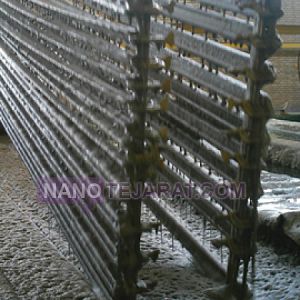
The hard anodizing process uses a concentrated sulfuric acid electrolyte. Oxide layer thickness is controlled between 25 to 150 microns with ±5-micron tolerance. Surface hardness increases up to 500 HV on the Vickers scale. This layer provides wear resistance equivalent to hardened steel. Applied voltage ranges from 40 to 100 V DC at 2-4 A/dm² current density. Electrolyte bath temperature is maintained between -5 to +10°C. These conditions produce a uniform coating with under 2% porosity.
Post-anodizing, sealing is performed in a nickel acetate solution. This step enhances corrosion resistance against seawater and acids. The final coating can be combined with optical dyes electrocolor or PTFE. This combination creates permanent anti-friction and hydrophobic properties. The process is applicable to 2000, 6000, and 7000 series aluminum alloys. Quality control includes thickness measurement, salt spray testing, and metallographic analysis. These services are critical for aerospace, automotive, and medical components.