


| Exporter, Wholesale, Manufacturer | |
| Tehran |  |
| +989122003350 | |

- Price :negotiated
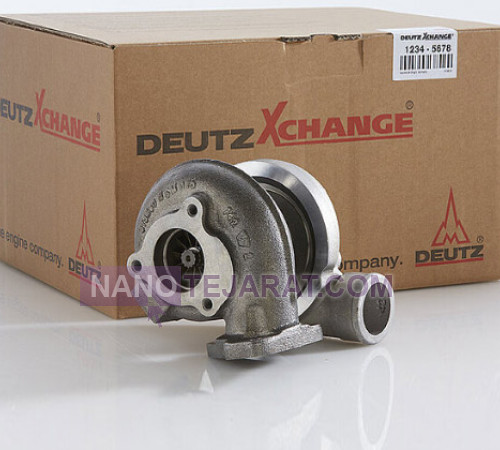
deutz engine 912 1011 1012 and 1013 turbocharger , Iran
- Price :To negotiate
- order by whatsapp
Turbochargers for DEUTZ 912, 1011, 1012, and 1013 diesel engines are precision-engineered to increase air intake density and improve combustion efficiency. The turbocharger uses exhaust gas energy to spin a turbine connected to a compressor, boosting intake air pressure up to 1.2–1.5 bar above atmospheric. This increased air mass allows higher fuel injection rates, enhancing engine output by 15–25% without raising engine displacement. Turbine and compressor housings are made from heat-resistant alloys capable of withstanding exhaust temperatures up to 650°C. Shaft and bearing assemblies use high-precision tolerances of ±0.02 mm, ensuring minimal friction and long service life. Proper turbocharger calibration maintains optimal boost across engine speeds, reduces smoke emissions, and improves fuel economy by 3–5% in typical operating cycles.
The DEUTZ turbocharger system integrates an intercooler in some models to reduce intake air temperature by 40–60°C, increasing air density and combustion efficiency. Wastegate valves control maximum boost pressure, preventing over-pressurization and engine knock. The turbine wheel diameter ranges from 40 to 60 mm depending on engine model, with rotational speeds up to 180,000 rpm. Lubrication is provided through the engine oil circuit, maintaining bearing temperatures below 120°C. The precise design ensures uniform airflow distribution to all cylinders, enhancing power output consistency and extending engine life. Maintenance of the turbocharger, including bearing checks and impeller inspection, is critical for preserving performance and preventing costly engine damage.You can order and buy deutz engine 912 1011 1012 and 1013 turbocharger from Iran by contacting us through whatsaap and email.
WEBSITE: deutz engine 912 1011 1012 and 1013 turbocharger Iran
Causes and signs of deutz engine turbocharger failure
Turbocharger failure in DEUTZ diesel engines is typically caused by low oil pressure, foreign particle ingress, and high exhaust gas temperatures. Oil pressure below 1.5 bar accelerates bearing wear and increases shaft clearance. Particulates from fuel or dust entering the compressor or turbine cause corrosion and blade damage. Exhaust gas temperatures exceeding 650°C can deform turbine blades and reduce housing lifespan. Improper installation, using oil with incorrect viscosity, and inadequate maintenance can reduce turbocharger life by up to 50%. Combined with boost pressures above 1.7 bar in 912–1013 models, these factors may lead to complete system failure.
Signs of turbocharger malfunction include noticeable engine power loss, fuel consumption increase up to 10%, and black or blue smoke from the exhaust. Boost pressure fluctuations exceeding ±0.2 bar, abnormal whistling or whining noises at 90,000–180,000 rpm, and shaft vibration above 0.5 mm indicate mechanical issues. Intake air temperatures rising more than 60°C, reduced fuel injection pressure, and irregular acceleration are additional indicators of poor turbocharger performance. Early detection using pressure gauges, thermocouples, and visual blade inspection reduces extensive repair costs and prevents severe engine damage.
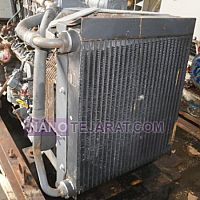
deutz engine 912 1011 1012 and 1013 water radiator
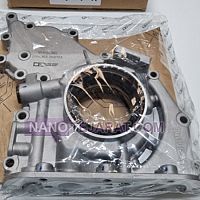
deutz engine 912 1011 1012 and 1013 oil pump
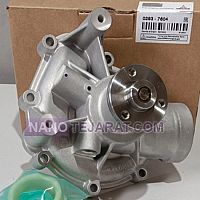
deutz engine 912 1011 1012 and 1013 water pump
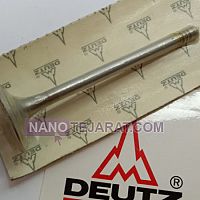
deutz engine 912 1011 1012 and 1013 valve
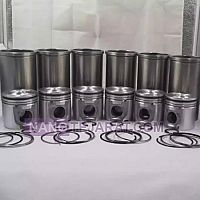
deutz engine liner piston 912 1011 1012 and 1013
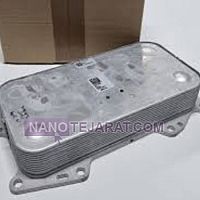
DEUTZ engine oil cooler
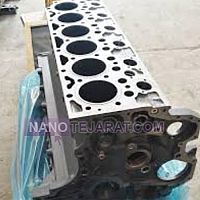
SEUTZ engine block
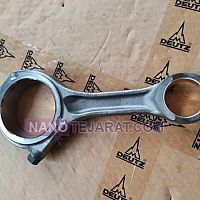
deutz engine 912 1011 1012 and 1013 connecting rod
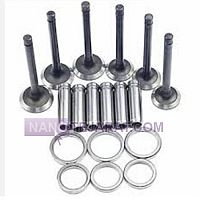
DEUTZ engine engine valve
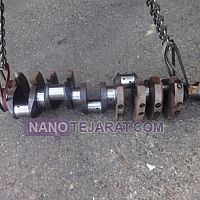
deutz engine 912 1011 1012 and 1013 crankshaft