| Exporter, Wholesale, Manufacturer | |
| Tehran-South |  |
| +989122003350 | |

- Price :negotiated
Brake System , Iran
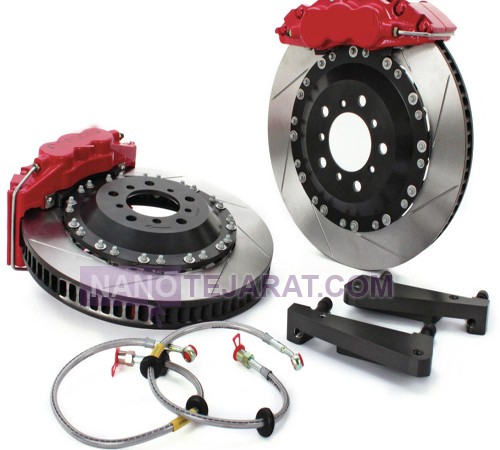
A front disc brake assembly consists of a caliper, brake disc, pads, and steel clips. The brake disc is typically made from grey cast iron GG20 or a steel-aluminum composite. Disc diameter in passenger cars ranges from 260 to 360 mm. Standard disc thickness is 22 to 32 mm with a ±0.01 mm tolerance. The caliper is a floating type with one or two anodized aluminum pistons. Piston diameters are usually between 40 and 50 mm. This system can generate over 100 bar of pressure in the hydraulic circuit. The friction coefficient for semi-metallic pads is stable between 0.35 and 0.42.
The caliper structure includes the main body, pistons, anti-rattle shims, and silicone rubber boots. Pads are mounted on stainless steel clips with a phosphate coating. The generated braking torque can exceed 1500 Newton-meters per wheel. Pad wear sensors are often designed with a 2 mm remaining material threshold. The operational disc temperature tolerance reaches 550 degrees Celsius. Advanced systems feature internal cooling vanes within the disc. These vanes reduce disc temperature by up to 15 percent. Complete sealing is ensured by EPDM rubber seals against moisture.You can order and buy Brake System from Iran by contacting us through whatsaap and email.
WEBSITE: Brake System Iran
Repair and Replacement of Brake Assembly
The brake assembly includes the caliper, pads, rotor, and related components. Its repair requires accurate fault diagnosis. Abnormal noises squealing or grinding often indicate worn brake pads or metal-to-metal contact. Vehicle pulling to one side can be caused by a stuck caliper or a damaged hose. Steering wheel or pedal vibration during braking usually stems from a warped rotor or inferior brake pads. For replacement, first jack up the vehicle and remove the wheel. Loosen the caliper bolts and carefully hang the caliper. Remove the old brake pads and gently retract the caliper piston using a C-clamp. Inspect the brake rotor for cracks, grooves, and thickness, replacing it if necessary. After installing new pads, reinstall the caliper and tighten the bolts to the correct torque. Finally, bleeding the system to remove air and testing functionality are essential.