


| Exporter, Wholesale, Manufacturer | |
| Tehran |  |
| +989122003350 | |

- Price :negotiated
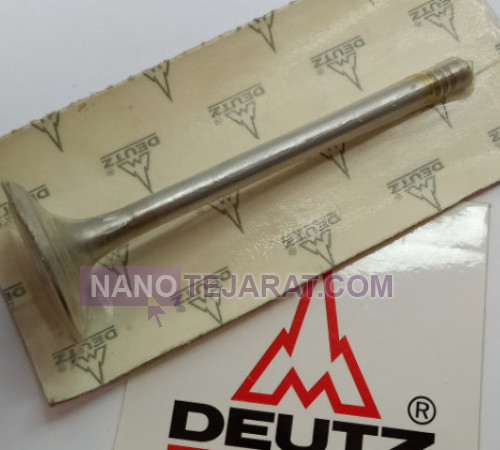
deutz engine 912 1011 1012 and 1013 valve , Iran
- Price :To negotiate
- order by whatsapp
In Deutz AG 912, 1011, 1012, and 1013 engines, the intake and exhaust valves play a critical role in controlling the combustion cycle and engine efficiency. The intake valve is designed with an opening angle of 35–45 degrees to ensure the required air volume per cycle, achieving a volumetric efficiency above 90% at 1200–2200 rpm. The exhaust valve, with a 40–50 degree opening angle and vortex-optimized flow, accelerates combustion gas evacuation, keeping exhaust backpressure below 25 kPa. Intake valve diameters typically range from 35 to 45 mm, while exhaust valves are 30 to 40 mm, optimized according to engine displacement and compression ratio for maximum airflow and combustion efficiency.
From an engineering perspective, intake and exhaust valves are usually made of high-temperature resistant 21–23% chromium steel with nickel and silicon additions to withstand exhaust gas temperatures up to 850°C. Seat hardness after heat treatment ranges 50–58 HRC, minimizing seat wear and gas leakage. Valve stem diameters are approximately 8–10 mm with surface finish Ra < 0.8 µm, reducing friction and increasing valve guide life. This optimized valve arrangement enhances fuel efficiency, engine responsiveness, and lowers emissions within global regulatory standards.You can order and buy deutz engine 912 1011 1012 and 1013 valve from Iran by contacting us through whatsaap and email.
WEBSITE: deutz engine 912 1011 1012 and 1013 valve Iran
Causes and signs of deutz engine valve failure
Damage and failure in the valves of Deutz AG diesel engines are typically caused by thermal, mechanical, and lubrication-related factors. Exhaust gas temperatures exceeding 850°C can warp or erode valve seats. Shock loads from unstable combustion or sudden engine speed increases may cause stem cracking or fracture. Poor-quality engine oil or blocked lubrication channels accelerates bearing wear and increases friction. Fuel impurities or inadequate decarbonization can deposit carbon on valve seats, preventing full valve closure and reducing engine efficiency.
Symptoms of valve malfunction include reduced engine output, higher fuel consumption, and unusual ticking or knocking noises in the cylinder head area. Increased exhaust temperature and black smoke indicate incomplete combustion and inefficient gas evacuation. Compression loss and difficulty starting in cold conditions may result from valve leakage or bent stems. Visual inspection combined with precise measurement of valve tolerances, surface hardness, and seat condition allows early detection of damage, preventing severe engine failures and ensuring long-term reliability.
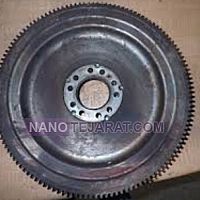
DEUTZ engine flywheel
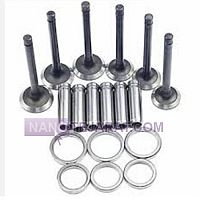
DEUTZ engine engine valve
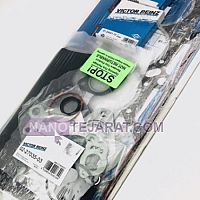
Deutz engine 1011 1012 and 1013 gasket kit
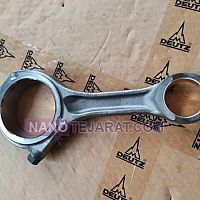
deutz engine 912 1011 1012 and 1013 connecting rod
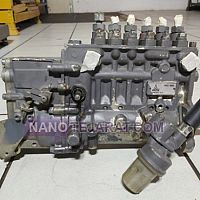
deutz engine 912 1011 1012 and 1013 injection pump
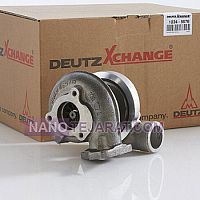
deutz engine 912 1011 1012 and 1013 turbocharger
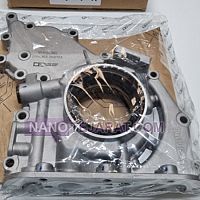
deutz engine 912 1011 1012 and 1013 oil pump
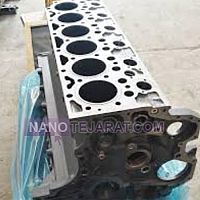
SEUTZ engine block
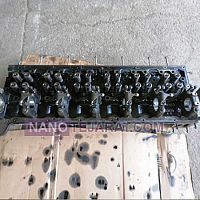
deutz engine 912 1011 1012 and 1013 cylinder head
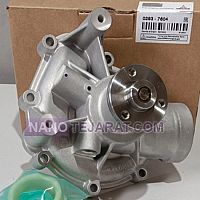
deutz engine 912 1011 1012 and 1013 water pump