| Exporter, Wholesale, Manufacturer | |
| Tehran_North |  |
| +989122003350 | |

- Price :negotiated
elevator , Iran
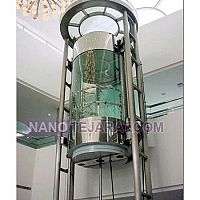
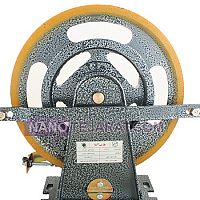
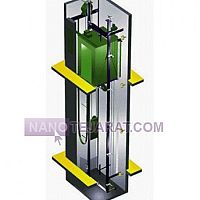
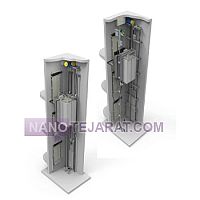
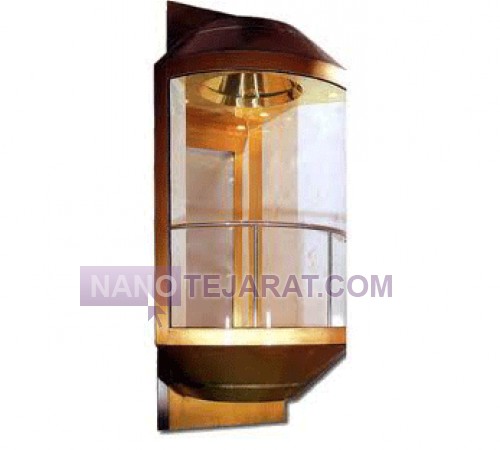
Panoramic elevators feature glass cabins with a durable steel frame to provide a full view of the surroundings. Movement is typically driven by a geared motor or gearless MRL motor with power ranging from 5 to 15 kilowatts. Load capacity ranges between 450 and 1000 kilograms, and speed varies from 0.6 to 1.6 meters per second. Multi-layer tempered glass with 10 to 20 millimeter thickness ensures high impact resistance and safety. Digital control systems with touch displays guarantee smooth movement and precise floor stops. Rails and counterweights are made of stainless steel or strong alloys.
Structurally, the cabin is supported by four main columns and a slip-resistant floor. Automatic two-panel or four-panel doors with electric motors and safety sensors are installed. Ventilation and LED lighting inside the cabin provide a comfortable ride. The elevator is equipped with emergency brakes and overload sensors for user protection. It can be installed indoors or outdoors with resistance to various environmental conditions. Designs comply with EN81 and ISO 25745 standards, ensuring safety and energy efficiency.You can order and buy elevator from Iran by contacting us through whatsaap and email.
WEBSITE: elevator Iran
Safety Considerations and Standards for Panoramic Elevators in iran
Panoramic elevator safety requires structural glass design according to EN 81-20 and international vertical transport standards defined by ISO. Glass panels must be multilayer laminated tempered glass with minimum 300 joules impact resistance and thickness calculated for wind and impact loads. Suspension and safety brake systems must comply with European Committee for Standardization requirements and include a speed governor with less than 0.3 meters per second trip deviation. Steel wire ropes require a minimum safety factor of 12 and static testing at 125 percent of rated load. The control panel must integrate dual channel safety circuits with SIL2 or higher integrity level. Ventilation, glass break sensors, and emergency rescue systems are designed according to EN 81-28. Semiannual inspections and performance data logging significantly reduce failure risk and unexpected shutdown.