
| Exporter, Wholesale, Manufacturer | |
| Tehran-South |  |
| +989122003350 | |

- Price :negotiated
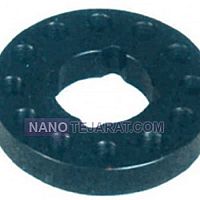
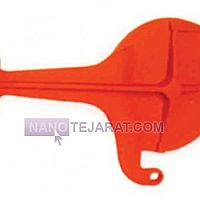
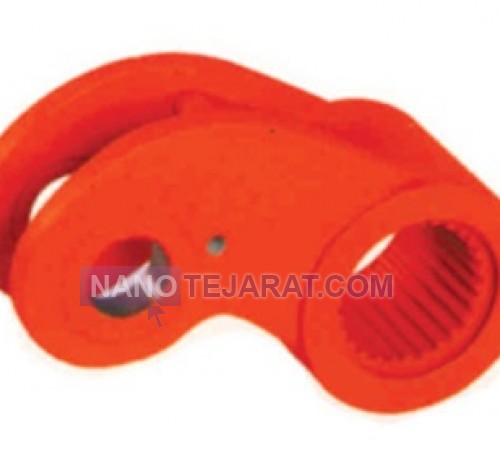
slewing lever , Iran
- Price :To negotiate
- order by whatsapp
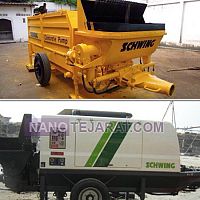
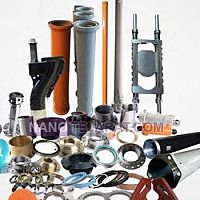
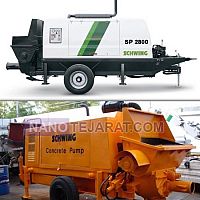
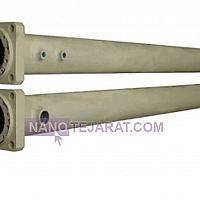
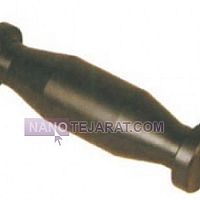
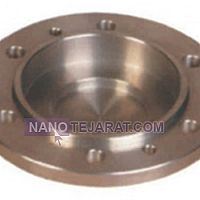
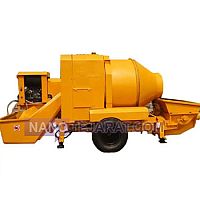
Stationary concrete pump spare parts include hydraulic components, concrete delivery units, and wear parts designed for operating pressures between 70 and 110 bar. Delivery cylinders are manufactured with internal diameters from 160 to 230 millimeters and strokes of 1200 to 2000 millimeters. Delivery pipes are produced from wear resistant alloy steel with hardness ranging from 55 to 63 HRC. Wear plates and cutting rings exceed 550 Brinell hardness, with service life influenced by water cement ratio. The hydraulic piston pump operates at 75 to 160 kilowatts and delivers 150 to 250 liters per minute. A centralized lubrication system is designed to reduce wear under continuous duty cycles.
The chassis structure is fabricated from structural steel with yield strength above 355 megapascals. The hopper is equipped with an agitator rotating at 20 to 30 revolutions per minute to prevent concrete segregation. The S valve or rock valve switches flow direction at 15 to 30 cycles per minute. Concrete pistons use polyurethane packings resistant up to 120 bar pressure. Machining tolerances for bushings and pins are maintained below 0.05 millimeters. Quality control includes static pressure testing, leakage inspection, and precise dimensional verification of wear components.You can order and buy slewing lever from Iran by contacting us through whatsaap and email.
WEBSITE: slewing lever Iran
Signs of Failure in Line Concrete Pump Components in iran
A pumping capacity drop of 10 to 20 percent usually indicates concrete piston wear or delivery cylinder sealing failure. Increased pumping cycle time beyond the manufacturer rating reflects hydraulic system efficiency loss. Working pressure exceeding 300 bar often results from pipeline blockage or S valve malfunction. Hydraulic oil leakage from fittings accompanied by more than 5 percent pressure loss requires immediate inspection. Abnormal chassis vibration may be caused by worn bushings or corroded connection pins. Oil temperature rising above 60 degrees Celsius signals internal friction or hydraulic pump deterioration. Pipeline wall thickness reduction exceeding 20 percent significantly increases rupture and project downtime risk.