
| Exporter, Wholesale, Manufacturer | |
| Tehran-South |  |
| +989122003350 | |

- Price :negotiated
concrete pump , Iran
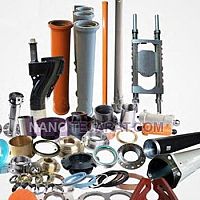
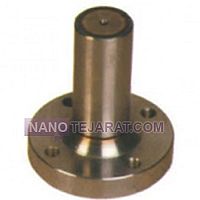
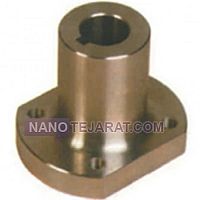
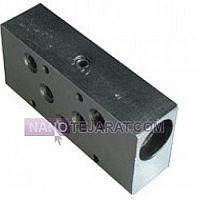
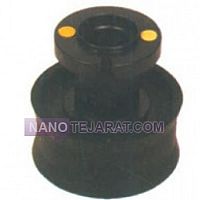
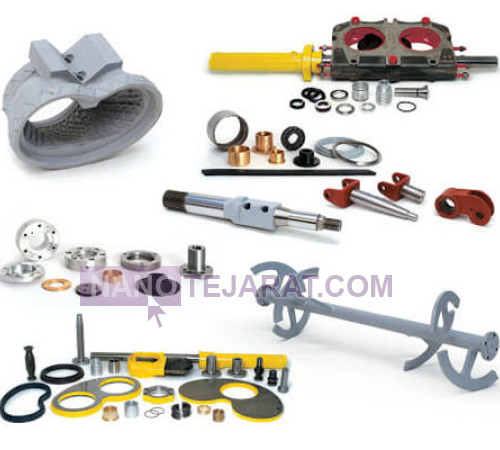
Concrete pump spare parts include hydraulic cylinders, rubber or polyurethane pistons, S valves, cutting rings, wear plates, and high-pressure steel pipes. Cylinders are made from 42CrMo4 alloy steel with induction heat treatment and surface hardness of 58 to 62 HRC. Delivery pipes with 100 to 125 mm inner diameter and 4 to 12 mm thickness have tensile strength above 900 MPa. Polyurethane pistons are designed with abrasion loss below 30 mm3 according to ASTM D5963. Assembly tolerance for critical components is ±0.02 mm to keep system pressure loss below 3 percent. All parts undergo hydrostatic testing at 1.5 times nominal pressure and ISO 9001 quality control.
Structurally, spare parts are designed for at least 500,000 working cycles at flow rates of 60 to 180 cubic meters per hour. Flange and clamp connections withstand pressure shocks up to 1.5 times working pressure. Internal pipe surface hardness of 60 HRC extends service life to 30,000 cubic meters of pumped concrete. System sealing is ensured by NBR or FKM rings within a temperature range of -20 to 120°C. Ultrasonic testing and metallurgical analysis prevent microcracks and verify microstructure. Minimum safety factor against yield stress is 2.0.You can order and buy concrete pump from Iran by contacting us through whatsaap and email.
WEBSITE: concrete pump Iran
Most Worn Concrete Pump Parts in iran
In concrete pumps, delivery pipes, elbows, and spectacle plates endure the highest abrasive and impact stress, resulting in the fastest wear. Piston rings and hydraulic seals are also under constant hydraulic pressure and friction, requiring replacement after 15000 to 25000 cubic meters of pumped concrete. Discharge pipes thinner than 5 millimeters face cracks and erosion from high pressure and abrasive concrete particles. Cutting rings and valve seats experience maximum mechanical damage during repeated open-close cycles. Oil quality and lubrication directly affect hydraulic part lifespan. Periodic vibration, flow rate, and working pressure analysis provide the most reliable engineering indicators for replacement prediction. Replacement priority goes to parts that reduce efficiency or pose sudden failure risks.