

| Exporter, Wholesale, Manufacturer | |
| Tehran |  |
| +989122003350 | |

- Price :negotiated
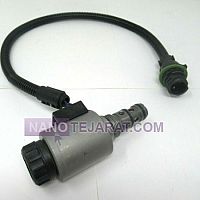
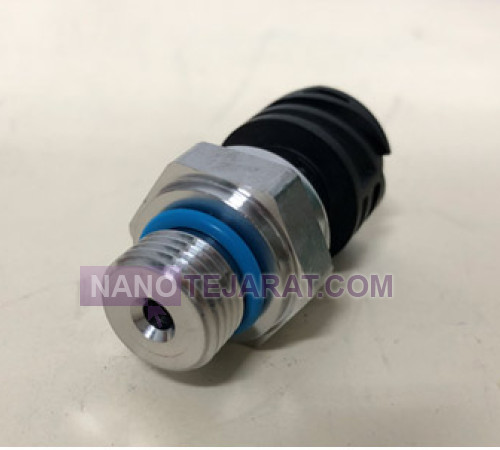
Volvo loader pressure relief valve , Iran
- Price :To negotiate
- order by whatsapp
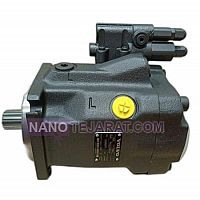
The oil pressure relief valve in Volvo L90 and L120 wheel loaders is designed to maintain hydraulic system pressure within the main circuit. It regulates oil pressure precisely between 210 and 280 bar to protect the hydraulic pump, lift cylinders, and tilt cylinders from overpressure damage. The valve features a high-pressure hydraulic design with spring elements of specific stiffness and a steel body resistant to wear. Installed directly in the main hydraulic line, either before or after the pump, it diverts excess oil to the reservoir when pressure exceeds the set limit, ensuring system safety. This functionality extends component lifespan and reduces maintenance costs, optimizing loader performance in heavy-duty operations.
For both L90 and L120 models, the relief valve uses the OEM part number VOE11703649 and operates effectively within an oil temperature range of -20 to 95 °C. The valve can handle volumetric flows between 150 and 200 liters per minute, matching system hydraulic demands. Accurate pressure control reduces hydraulic oscillations, stabilizes system response, and improves lift arm and bucket performance. Laboratory testing shows the valve maintains pressure within ±5% under peak load conditions. Proper installation and maintenance in line with Volvo standards enhance hydraulic efficiency and prolong the service life of connected components.You can order and buy Volvo loader pressure relief valve from Iran by contacting us through whatsaap and email.
WEBSITE: Volvo loader pressure relief valve Iran
Causes and sings of volvo loader pressure relief valve failure
The primary causes of failure in Volvo L90 and L120 oil pressure relief valves include contamination in the hydraulic fluid, excessive wear of the internal spring, and corrosion of the steel body. Foreign particles or degraded oil can block the valve port, preventing proper pressure regulation. Repeated exposure to pressures above 280 bar may permanently deform the spring, reducing its ability to maintain correct setpoints. Material fatigue over thousands of operating hours can lead to cracking or internal leakage. Improper installation or misalignment in the hydraulic line also contributes to abnormal wear and reduces response accuracy. Failure of the valve directly affects lift cylinder performance, causes increased stress on the hydraulic pump, and can accelerate wear of connected hoses and seals.
Malfunction indicators include fluctuating hydraulic pressure beyond ±5% of setpoint, delayed lift arm response, and unusual noise or vibration in the pump. Operators may notice slow bucket movement or inability to reach maximum lifting height under normal load. Continuous high system pressure or frequent activation of bypass flow signals valve inefficiency. Additionally, oil temperature spikes above 95 °C can indicate restricted relief flow. Early detection through regular pressure monitoring and inspection of spring integrity, valve ports, and seals can prevent total hydraulic system failure and minimize downtime, maintaining loader efficiency and safety.