

| Exporter, Wholesale, Manufacturer | |
| Tehran-South |  |
| +989122003350 | |

- Price :2.00 USD
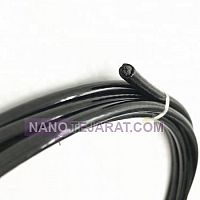
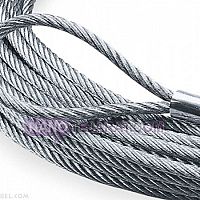
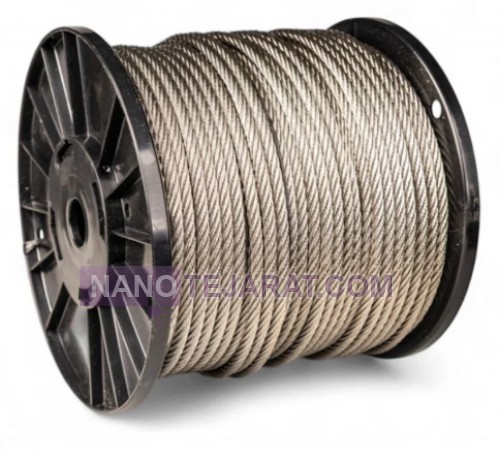
8mm stainless steel wire rope , Iran
- Price :2.00 USD
- order by whatsapp
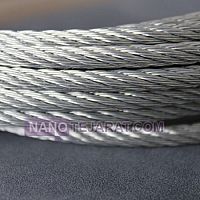
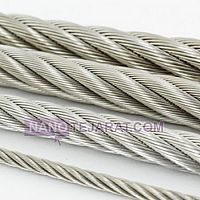
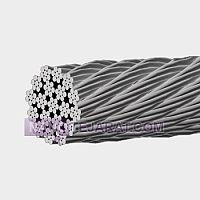
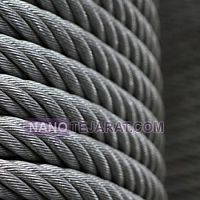
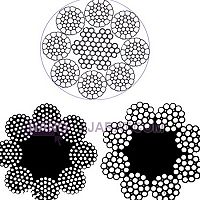
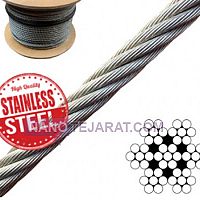
The 8 mm stainless steel wire rope with a 7X19 construction has an approximate unit weight of 0.32 to 0.34 kilograms per meter. This value is calculated based on the density of stainless steel and the number of strands in the rope. Accurate weight data is essential in the design of marine equipment, light-duty lifting systems, and architectural structures, as it directly affects dead load and load-bearing capacity.
In terms of corrosion resistance, the 8 mm stainless steel 316 wire rope performs exceptionally well. The presence of molybdenum in the alloy increases resistance to chlorides and aggressive environments. This property allows the rope to withstand continuous exposure to seawater or high humidity without deformation or rusting. Its surface durability also ensures that the rope maintains a bright and polished appearance over long service periods.
The alloy composition of stainless steel 316 includes approximately 16–18% chromium, 10–14% nickel, and 2–3% molybdenum. This combination provides not only high mechanical strength but also excellent thermal and chemical resistance. The 8 mm stainless steel rope is widely used in marine industries, telecommunication towers, architectural projects, light elevators, and exposed structural applications. The 7X19 construction offers high flexibility and longer service life compared to simpler rope designs.You can order and buy 8mm stainless steel wire rope from Iran by contacting us through whatsaap and email.
WEBSITE: 8mm stainless steel wire rope Iran
Safety Guidelines for Using Stainless Steel Wire Rope in Industrial Projects
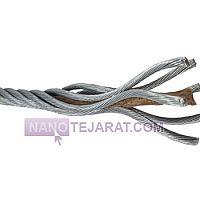
Safe use of stainless steel wire rope requires strict adherence to industrial standards. Before use, inspect the rope for wear, broken strands, and deformation. Avoid loading beyond the rope’s rated capacity to prevent breakage or equipment damage. Installation should be free of twists and comply with the minimum bending radius to maintain uniform stress on all strands. Use protective equipment such as gloves, safety glasses, and proper rope handling tools. Regular lubrication and periodic inspections reduce the risk of sudden failure. Additionally, ropes must be protected from contact with sharp surfaces, corrosive substances, and excessive heat.