

| Exporter, Wholesale, Manufacturer | |
| Tehran |  |
| +989122003350 | |

- Price :3.00 USD
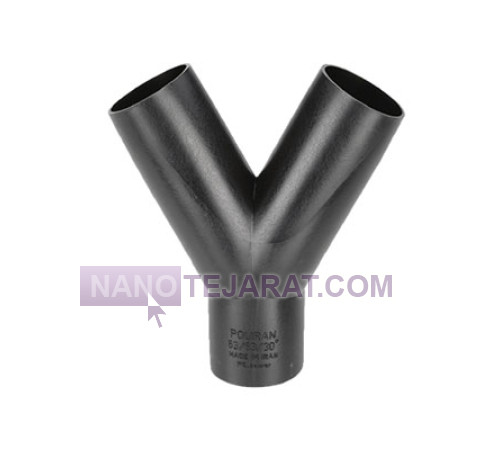
Poliran Two-Way Polyethylene Tee , Iran
The Poliran two-way polyethylene tee is manufactured from high-density polyethylene grade PE100 with an approximate density of 0.955 g/cm³. This fitting is designed to provide two-way connection and branching in water supply, sewage, and pressurized irrigation networks. The material has a tensile strength of approximately 25 MPa and impact resistance exceeding 10 kJ/m². Its operating temperature range is 0 to 40°C, with nominal pressure varying between 6 and 16 bar depending on the model. Precisely engineered internal geometry and uniform wall thickness minimize flow turbulence and ensure even pressure distribution in the system.
Poliran two-way tees are produced in butt-weld and electrofusion types, available in diameters from 32 to 400 mm. The butt-weld type is installed using heat fusion, providing complete sealing and high mechanical strength. Excellent resistance to corrosion, cracking, and UV radiation ensures a service life exceeding 50 years under normal operating conditions. Manufacturing complies with ISIRI 14427 and ISO 4427 standards, guaranteeing quality, dimensional accuracy, and full compatibility with Poliran polyethylene pipes.You can order and buy Poliran Two-Way Polyethylene Tee from Iran by contacting us through whatsaap and email.
WEBSITE: Poliran Two-Way Polyethylene Tee Iran
Applications of Pliran Two-Way Polyethylene Tee in Irrigation and Water Supply Networks
The Pliran two-way polyethylene tee is designed for dividing and directing water flow at varying pressures and volumes in irrigation and water supply networks. Its high-density polyethylene HDPE construction provides high resistance to corrosion, UV radiation, and fluid abrasion. The tee enables direct connection of different lines, flow control, and pathway separation without additional equipment. Easy installation via heat fusion or compression fitting ensures flexibility and leak prevention. Using this tee in agricultural fields, orchards, and urban water networks optimizes water usage, extends network lifespan, and reduces maintenance costs.
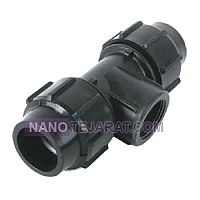
32x32x32 mm Polyethylene Equal Tee
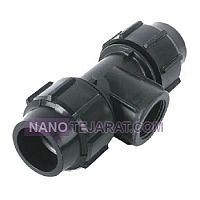
Polyethylene Tee 50x50x50
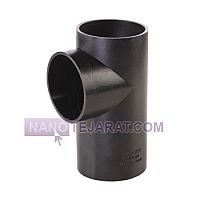
Poliran 90-degree polyethylene tee
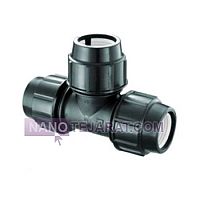
Polyethylene Tee 25x25x25
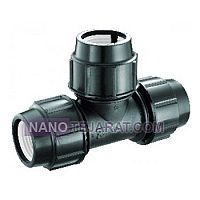
Polyethylene Tee 90x90x90
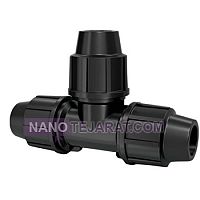
Polyethylene Tee 75x75x75
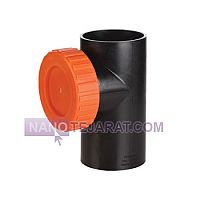
Poliran polyethylene inspection tee
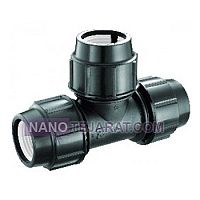
Polyethylene Tee 40x40x40
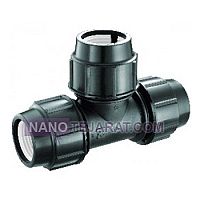
Polyethylene Tee 20x20x20
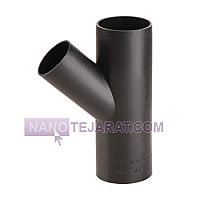
Poliran 45-Degree Reducing Tee Polyethylene Pipe