

| Exporter, Wholesale, Manufacturer | |
| Tehran |  |
| +989122003350 | |

- Price :92.00 USD
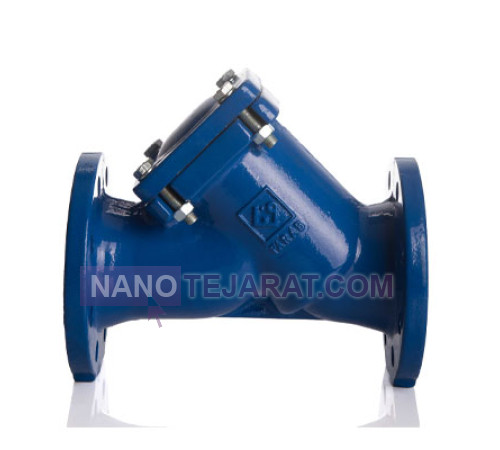
Farab strainer valve model STR16 , Iran
The Farab strainer valve model STR16 is designed to remove solid particles, sediments, and mechanical impurities from fluid flow in water, steam, and oil systems. The body is made of ductile iron GGG40 with a nominal pressure rating of PN16, and the internal mesh screen is stainless steel 304 with a filtration range of 0.8 to 1.5 millimeters. Flanged ends comply with EN 1092-2, and installation dimensions follow DIN 3202 standards. The valve operates within a temperature range of 0–200°C and up to 16 bar pressure. It is installed upstream of pumps, control valves, and steam networks to protect equipment from debris damage.
The Farab STR16 strainer valve features a Y-type body design that minimizes pressure loss and enhances flow efficiency. A bolted inspection cover allows quick access for screen cleaning or replacement. The stainless steel filter mesh provides excellent corrosion and heat resistance, ensuring long service life in industrial environments. Each valve is hydrostatically and leakage tested according to API 598 standards to verify mechanical integrity, complete sealing, and precise filtration performance under demanding operating conditions.You can order and buy Farab strainer valve model STR16 from Iran by contacting us through whatsaap and email.
WEBSITE: Farab strainer valve model STR16 Iran
Installation and Maintenance Guide for Farab Strainer STR16
For installing the Farab STR16 strainer, the flow direction must match the arrow marked on the body to ensure optimal screen performance. The strainer should be positioned where periodic maintenance is convenient and placed upstream of sensitive equipment such as pumps, control valves, or flow meters. The PN16 flanged connection must be sealed with an appropriate gasket and tightened in a cross pattern to prevent leakage and axial stress. During maintenance, system pressure must be fully released before removing the cover or screen assembly. The stainless steel screen should be cleaned from sediment, solid particles, and grease to avoid increased pressure drop. Inspecting the screen, O-rings, and internal coating every 3 to 6 months improves service life and reduces equipment failures.
Vogiran anti-water hammer spring check valve PN16
Kitz 2-inch Class 150 flanged gate valve
Mahab cast iron strainer valve
Persta swing check valve
Orton Butterfly Valve
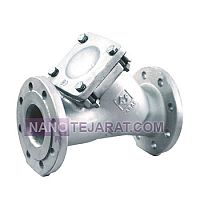
Farab steam strainer model STS16
VOG Iran wafer-type double disc check valve
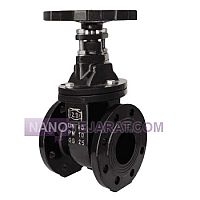
Mahab Bituminous Coated Metal Gate Valve
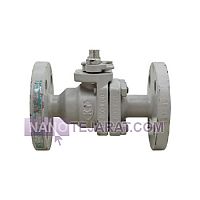
Kitz 1/2-inch Class 300 steel ball valve
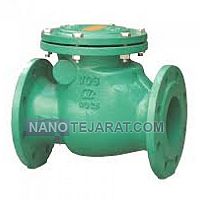
VOG Iran Figure 275 Wafer Type Disc Check Valve