
| Exporter, Wholesale, Manufacturer | |
| Tehran-South |  |
| +989122003350 | |

- Price :129.00 USD
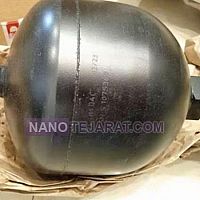
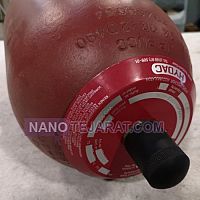
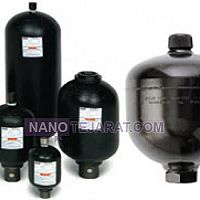
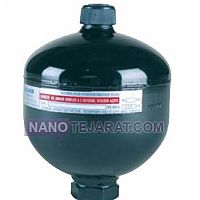
HYDAC 750cc Diaphragm Accumulator , Iran
- Price :129.00 USD
- order by whatsapp
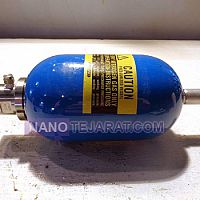
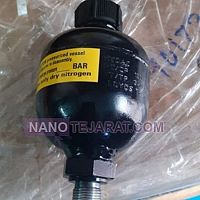
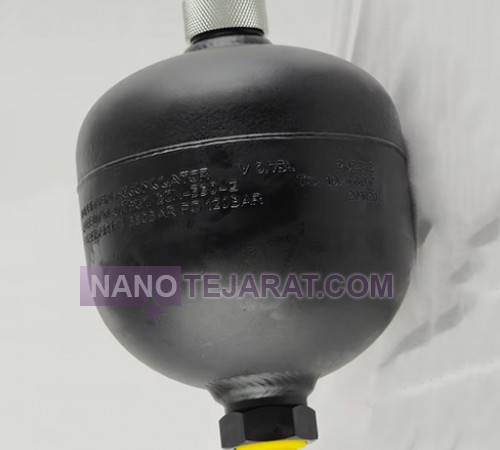
The HYDAC SBO330-0.75 diaphragm accumulator is constructed with a stainless steel 1.4571 or carbon steel shell. It supports a nominal working pressure of 330 bar and a test pressure of 450 bar. Its standard pre-charged nitrogen gas volume at 20°C is approximately 0.55 litres. The diaphragm is manufactured from NBR elastomer with a temperature range of -30°C to +100°C. Its fluid port features G 1/2" or SAE 1/2" thread with a standard O-ring seal. This accumulator is designed for shock absorption, pulse dampening, and leakage compensation in compact hydraulic circuits. Its gross weight is approximately 1.8 kilograms.
The models structure incorporates a one-piece rubber diaphragm with an optimized geometry. This design ensures complete separation and high elastic recovery. The maximum permissible fluid-to-gas volume ratio for this capacity is 4:1. The gas valve is a core-type design with an anti-blow-out safety cap. The external shell is protected by a phosphate coating and two-component epoxy paint. This product is manufactured in compliance with PED and ISO 9001 international standards. The operational service life of the diaphragm under nominal conditions exceeds 1 million minor cycles. These specifications provide reliable performance in limited installation spaces.You can order and buy HYDAC 750cc Diaphragm Accumulator from Iran by contacting us through whatsaap and email.
WEBSITE: HYDAC 750cc Diaphragm Accumulator Iran
Periodic Check and Health Test of Hidak Diaphragm Accumulator from Iran
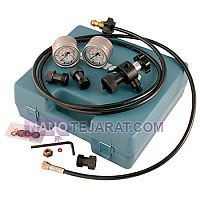
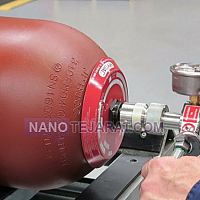
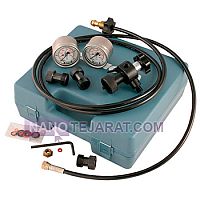
Regular inspection of Hidak diaphragm accumulators is crucial for system safety. Pressure testing and diaphragm integrity assessment occur every six months. Precise measurement of nitrogen gas pre-charge pressure uses calibrated gauges. Checking fluid volume and absence of body leaks are key steps. This checklist ensures stable hydraulic performance. Iran-manufactured equipment is tested per international standards. Maintenance accuracy prevents costly failures. Documenting each inspections results is essential for degradation monitoring. This approach maximizes the equipments service life.