
| Exporter, Wholesale, Manufacturer | |
| Tehran-South |  |
| +989122003350 | |

- Price :457.00 USD
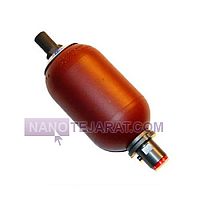
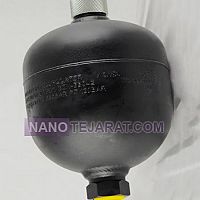
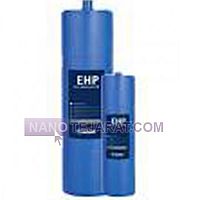
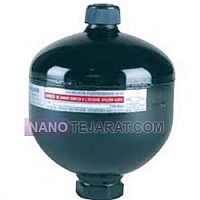
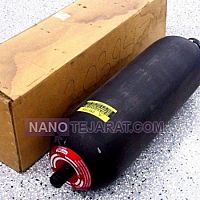
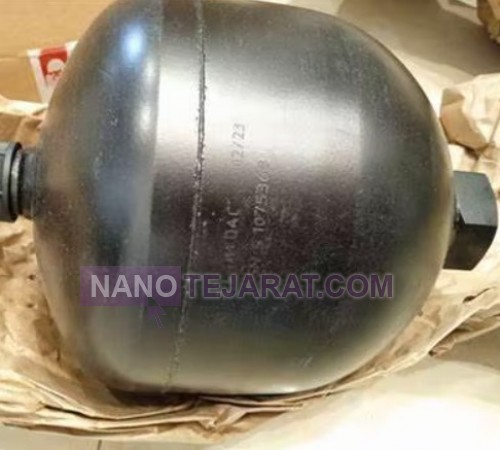
3.5-liter diaphragm accumulator HYDAC , Iran
- Price :457.00 USD
- order by whatsapp
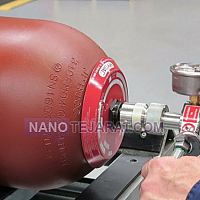
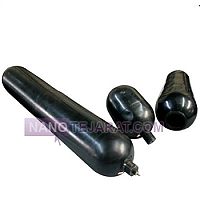
The HYDAC SB330-3.5 diaphragm accumulator features a carbon steel ST 52.3 shell. It has a nominal working pressure PN of 330 bar and a hydrostatic test pressure of 450 bar. Its standard pre-charged gas volume at 20°C is 2.5 litres. The diaphragm is made from synthetic elastomer EPDM or NBR with a temperature range of -50 to +110°C. The fluid connection has a standard G 1" or SAE 1" thread with O-ring sealing. This accumulator is engineered for shock absorption, pulse dampening, and energy storage in hydraulic systems.
The internal structure incorporates a one-piece rubber diaphragm. This diaphragm completely separates the gas nitrogen chamber from the hydraulic fluid. The maximum permissible fluid-to-gas volume ratio is 4:1. The gas valve is a core-type design with an anti-blowing device. This model holds international certifications like CE, PED, and ISO 9001:2015. The shell surface coating consists of phosphate treatment and a two-component epoxy paint for high corrosion resistance. Its design guarantees a minimum of 500,000 operating cycles without performance degradation.You can order and buy 3.5-liter diaphragm accumulator HYDAC from Iran by contacting us through whatsaap and email.
WEBSITE: 3.5-liter diaphragm accumulator HYDAC Iran
Signs of Failure in HYDAC Diaphragm Accumulators from Iran
Failure in a HYDAC diaphragm accumulator manifests through distinct engineering symptoms. Primary indicators include erratic system pressure fluctuations and inconsistent operation. Noticeably slower cycle times and delayed actuator response are clear performance degradations. Audible warnings often involve knocking or banging sounds during pressure changes. External hydraulic fluid leakage around the body or seals points to physical seal or diaphragm failure. An unexplained rise in hydraulic fluid temperature suggests the pump is overworking to compensate. Finally, the inability to maintain nitrogen pre-charge pressure between maintenance intervals confirms diaphragm failure or gas leakage. These signs necessitate immediate inspection and parameter measurement.