


Wheel Bolt
The wheel bolt features a one-piece design with an integrated conical or spherical seat at the base of the head. The seat angle is precisely machined at 60 degrees for conical type (taper seat) or rounded radius for spherical type. This seat geometry ensures perfect centering of the wheel rim onto the hub flange. The bolt shank is fully threaded or partially threaded depending on the vehicle application. Thread diameters commonly range from M12 x 1.25, M12 x 1.5, M14 x 1.5, up to M16 x 1.5 millimeters. Fine pitch threads are exclusively used for wheel bolts to prevent vibration-induced loosening. The thread length typically spans between 25 to 55 millimeters from the seat base to the bolt end. The overall bolt length varies from 40 to 80 millimeters based on wheel rim thickness and hub design. The head type is either hexagon (17, 19, or 21 millimeters across flats) or external spline for anti-theft applications.
Wheel bolts are manufactured from high-strength alloy steel grades such as 10B21, 40Cr, or 42CrMo. The minimum property class for passenger car wheel bolts is class 10.9 with 1040 Megapascals tensile strength. Commercial trucks and heavy vehicles require class 12.9 wheel bolts achieving 1220 Megapascals minimum tensile capacity. Heat treatment including quenching and tempering produces core hardness between 32 to 39 Rockwell C. Surface hardening by induction creates a case depth of 0.3 to 0.6 millimeters with 45 to 52 Rockwell C hardness. Corrosion protection is provided by zinc flake coating (Geomet or Dacromet) with 8 to 12 microns thickness for 480 to 720 hours salt spray resistance. The tightening torque for wheel bolts ranges from 80 to 120 Newton meters for passenger cars and 450 to 600 Newton meters for trucks. Proof load testing at 1.25 times the maximum tightening torque is mandatory for each production batch.
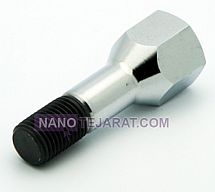
Wheel Bolt
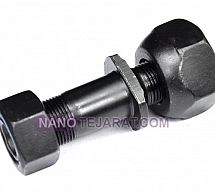
Wheel Bolt
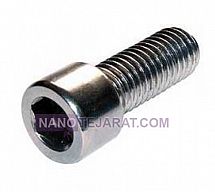
Allen Wheel Bolt
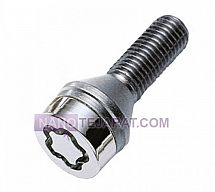
Wheel Bolt