

| Exporter, Wholesale, Manufacturer | |
| Tehran |  |
| +989122003350 | |

- Price :negotiated
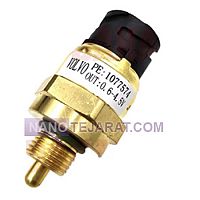
VOLVO loader oil pressure sensor , Iran
- Price :To negotiate
- order by whatsapp
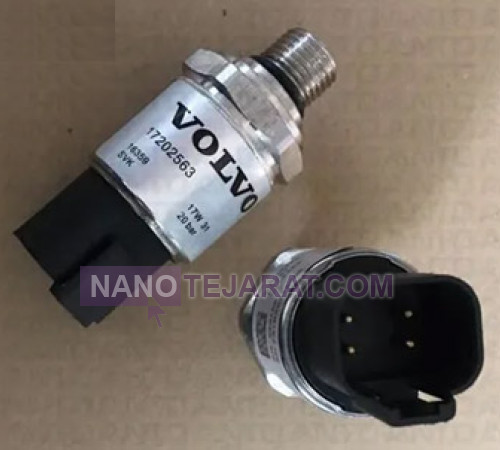
The oil pressure sensor in Volvo L90 and L120 loaders is designed to measure precise engine or hydraulic oil pressure and transmit the signal to the ECU. It consists of a sensitive pressure element capable of monitoring oil pressures from 0 to 280 bar. The sensor is typically installed at the hydraulic pump outlet or on the engine body to record the actual oil pressure under varying load conditions. Proper sensor operation is essential to prevent overpressure, protect the pump and cylinders, and avoid damage to hoses and fittings. Sensor failure can cause reduced hydraulic system efficiency, pressure fluctuations, and false ECU warnings.
For L90 and L120 models, oil pressure sensors are supplied with part numbers VOE17215536, VOE11039219, and VOE17216328, with an output signal to the ECU ranging from 0.5 to 4.5 volts. These sensors can operate at oil flow rates of 150 to 200 liters per minute and withstand pressures up to 280 bar. OEM Volvo and high-quality aftermarket brands provide sensors with corrosion-resistant steel bodies capable of high-pressure operation. Correct installation and testing according to Volvo standards ensure accurate pressure measurement, reduce hydraulic system failure risk, and extend the service life of connected components.You can order and buy VOLVO loader oil pressure sensor from Iran by contacting us through whatsaap and email.
WEBSITE: VOLVO loader oil pressure sensor Iran
Signs of VOLVO loader oil pressure sensor failure
Failure of the oil pressure sensor in Volvo L90 and L120 loaders is typically indicated by inaccurate oil pressure readings and the transmission of incorrect signals to the ECU. A common symptom is a frozen or fluctuating pressure display in the cabin, even when actual pressure is changing. Sensor failure can prevent the ECU from activating warnings or protective functions, allowing hydraulic or engine pressures to exceed 280 bar. As a result, pumps, cylinders, and hoses experience excessive stress, increasing wear and the risk of component failure.
Other signs include ECU warning codes, reduced hydraulic system efficiency, delayed lift arm or bucket response, and abnormal engine energy consumption. The sensor signal may fall outside the 0.5–4.5 volt range, preventing the ECU from detecting the actual pressure. Inspecting wiring, connectors, and testing the sensor element with an ohmmeter are standard engineering methods for early fault detection. Prompt diagnosis prevents serious damage to pumps, cylinders, and fittings, extending the service life of the hydraulic system.