

| Exporter, Wholesale, Manufacturer | |
| Tehran |  |
| +989122003350 | |

- Price :2.50 USD
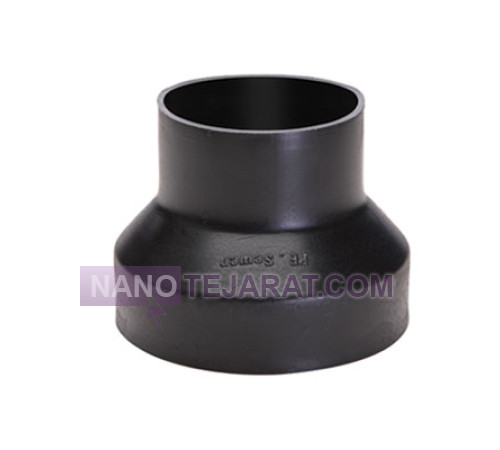
Poliran polyethylene reducer , Iran
The Poliran polyethylene reducer is made from high-density polyethylene grade PE100 with a density of approximately 0.955 g/cm³. It is designed to connect pipes of different diameters in water supply, sewage, and irrigation systems. This fitting is produced by high-pressure injection molding and features a tensile strength of about 25 MPa and an impact resistance above 10 kJ/m². Its operating temperature range is 0 to 40°C, with nominal pressure ratings varying between 6 and 16 bar depending on the model. The precise internal geometry minimizes flow turbulence and prevents sudden pressure drops within the pipeline.
Poliran polyethylene reducers are available in two main types: butt-weld and compression, covering diameters from 20 to 400 mm. The welded type is installed using butt fusion or electrofusion methods, ensuring complete sealing and long-term reliability. Their excellent resistance to corrosion, cracking, and chemical exposure provides a service life exceeding 50 years under normal operating conditions. The product is manufactured according to ISIRI 14427 and ISO 4427 standards and is fully compatible dimensionally and mechanically with Poliran polyethylene pipes.You can order and buy Poliran polyethylene reducer from Iran by contacting us through whatsaap and email.
WEBSITE: Poliran polyethylene reducer Iran
Installation and Usage Guide for Pliran Poliran Polyethylene Reducer
To install a Pliran Poliran polyethylene reducer, first shut off the network flow and release system pressure. The high-density HDPE body should be aligned with the pipeline axis to avoid excessive stress on connections. Installation can be performed via heat fusion or compression fittings, ensuring proper sealing with gaskets or Teflon tape. After installation, initial inspection is required to ensure no leakage and proper pipeline alignment. Following the manufacturer’s guidelines and avoiding excessive impact or pressure ensures optimal performance and extended service life. Using Pliran reducers in irrigation, urban, and industrial water networks provides stable flow and reduces maintenance costs.
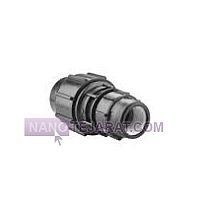
40x32 mm Polyethylene Reducing Coupling
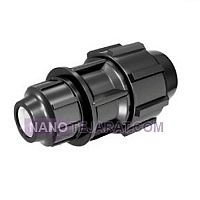
Polyethylene Reducing Coupling 110x63

Polyethylene Reducing Coupling 90x75
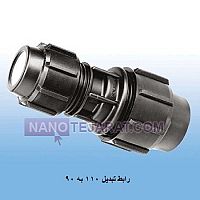
Polyethylene Reducing Coupling 110x90
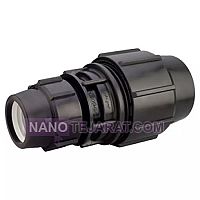
25x20 mm Polyethylene Reducing Coupling
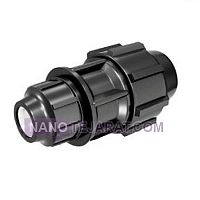
Polyethylene Reducing Coupling 110x75
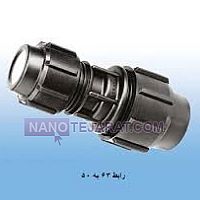
Polyethylene Reducer Fitting 63 mm to 50 mm
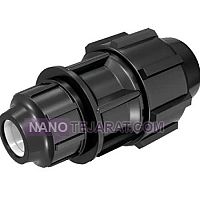
Polyethylene reducer 75x50
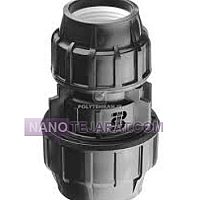
Polyethylene Reducing Coupling 32x25

63x40 mm Polyethylene Reducing Coupling