
| Exporter, Wholesale, Manufacturer | |
| Tehran-South |  |
| +989122003350 | |

- Price :negotiated
Accumulator tube changing , Iran
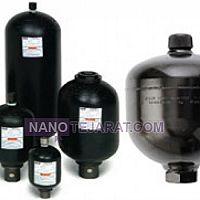
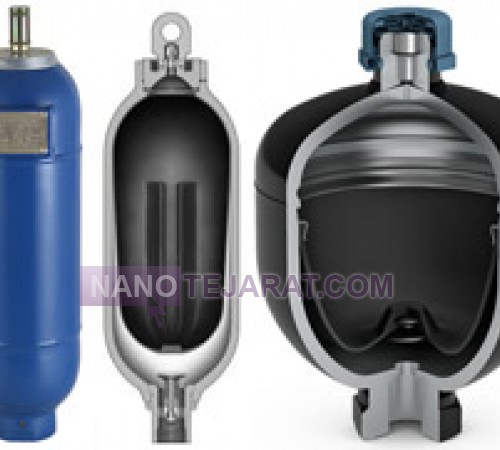
Bladder accumulator tube replacement is a critical maintenance procedure to restore the efficiency of hydraulic bladder-type accumulators. Bladder accumulators consist of a high-tensile steel shell and an internal flexible bladder. This bladder, which separates the nitrogen gas from the hydraulic fluid, is typically made from polymeric compounds such as polyurethane, neoprene, and natural rubber. The average service life of these bladders is approximately 13 years, though this figure is highly dependent on duty cycles and operational conditions. The bladder must withstand typical operating pressures ranging from 2000 to 7000 PSI and resist chemical reactions with oil and nitrogen. A key quality indicator is the toughness of the polymer materials, which determines the capability for repeated contraction and expansion.
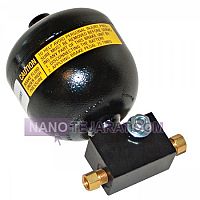
Selecting a suitable replacement bladder requires precise engineering parameters. Bladder thickness must be chosen according to fluid temperature and system operating pressure higher temperatures necessitate thicker bladders. Common replacement bladders are made of NBR Nitrile Butadiene Rubber/Neoprene, which typically operate reliably within a temperature range of -10 to +80 degrees Celsius and a maximum pressure of 330 bar approximately 4800 PSI. The accumulator structure includes a gas valve at the top for nitrogen charging and a fluid port at the bottom for connection to the hydraulic line. After proper replacement, the accumulator can recover up to 97% of its original energy efficiency, extending its service life at a cost roughly equivalent to half the price of a new unit.You can order and buy Accumulator tube changing from Iran by contacting us through whatsaap and email.
WEBSITE: Accumulator tube changing Iran
Important Notes During Accumulator Bladder Repair and Replacement from Iran
Always completely depressurize the hydraulic system before any operation. Do not neglect personal safety using goggles and gloves. Remove the old bladder carefully without damaging the shell. Inspect the accumulator shells internal surface for corrosion and contamination. The new bladder must match the systems pressure and temperature standards. Ensure material compatibility between the bladder and the hydraulic fluid. Use a lubricant compatible with the bladder and fluid during installation. Tighten the flange bolts in a crisscross pattern to the manufacturers specified torque. After installation, pre-charge the accumulator with nitrogen to the recommended pressure. Finally, perform a thorough system leak test.