

| Exporter, Wholesale, Manufacturer | |
| Tehran-South |  |
| +989122003350 | |

- Price :negotiated
non rotating wire rope , Iran
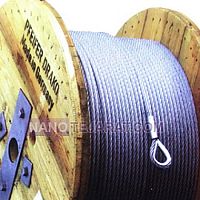
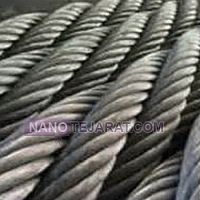
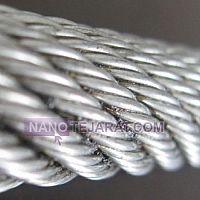
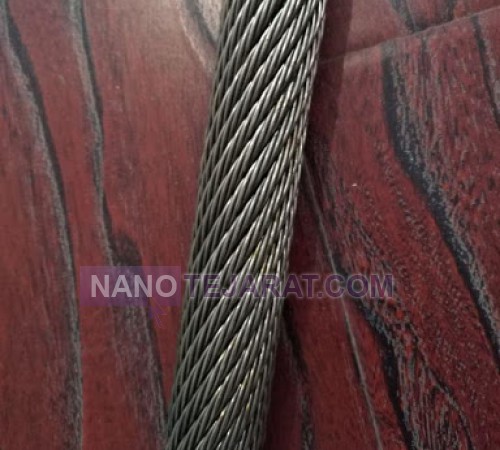
The non-rotating wire rope is a steel cable with a special engineered construction. This design prevents torque transfer and rotation under load. Its structure comprises two independent layers of steel strands. A core is formed from high-strength steel alloy strands. This core is surrounded by an outer layer with an opposing lay direction. Common diameters range from 6 mm to 36 mm. Minimum tensile strength grades from 1770 to 2160 MPa. The recommended safety factor for dynamic loads is at least 5 to 1.
Its primary application is in overhead cranes, construction hoists, and drilling systems. This wire rope is ideal for lifting single and lengthy loads. The non-rotating structure significantly enhances operational safety. Galvanized or stainless steel coatings are available for corrosive environments. Regular non-destructive testing is essential to detect fatigue cracks. The minimum permitted bending diameter is typically 12 times the cable diameter. This specification prevents premature fatigue failure. Service life under alternating cyclic loads can exceed 20,000 cycles.You can order and buy non rotating wire rope from Iran by contacting us through whatsaap and email.
WEBSITE: non rotating wire rope Iran
Industrial Applications of Non-Rotating Wire Rope
Non-rotating wire rope, with its specific layered construction and opposing lay directions, prevents load rotation under tension. Its primary application is in precise and sensitive lifting systems such as tower cranes and construction hoists. In the drilling and mining industries, it is used for derrick guying systems and lowering drilling equipment. The marine industry utilizes it for mooring cables and depth control systems. In advanced medical equipment such as CRMs patient suspension systems and automated operating tables, it finds application. Power transmission systems in printing and packaging machinery requiring precise positioning use this type. Its key advantages include reduced risk of load spinning, increased operator safety, and longer service life. Its selection must be based on diameter, construction, and relevant safety standards.